News

Are You Assuming Inflatable Sports Games Are Only for Kids—When Adults Actually Love Them Even More?

2026-08-28 0 Leave me a message

Leisure Activities® has been involved in the inflatable industry since 1993, when the company began operations in Orlando, Florida. Over the following three decades, inflatable products have continued to appear in different recreational settings, including activities that are not limited to children.

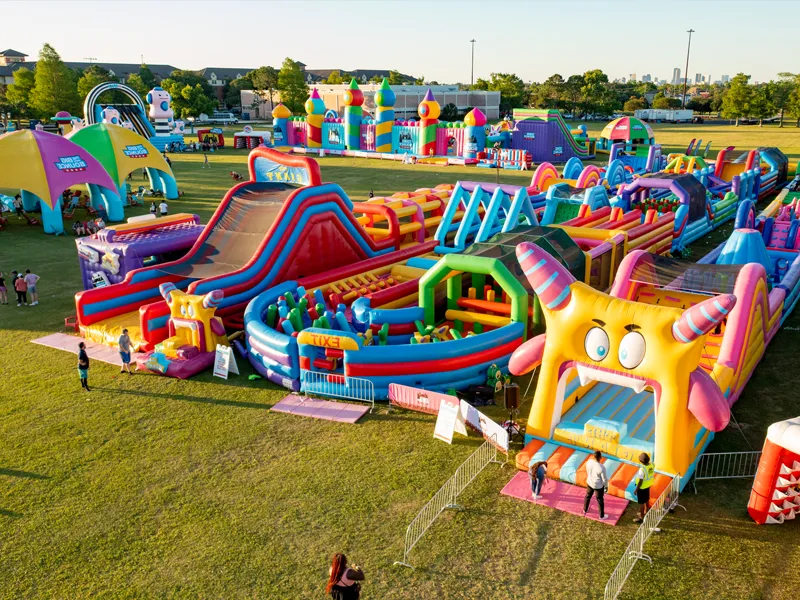
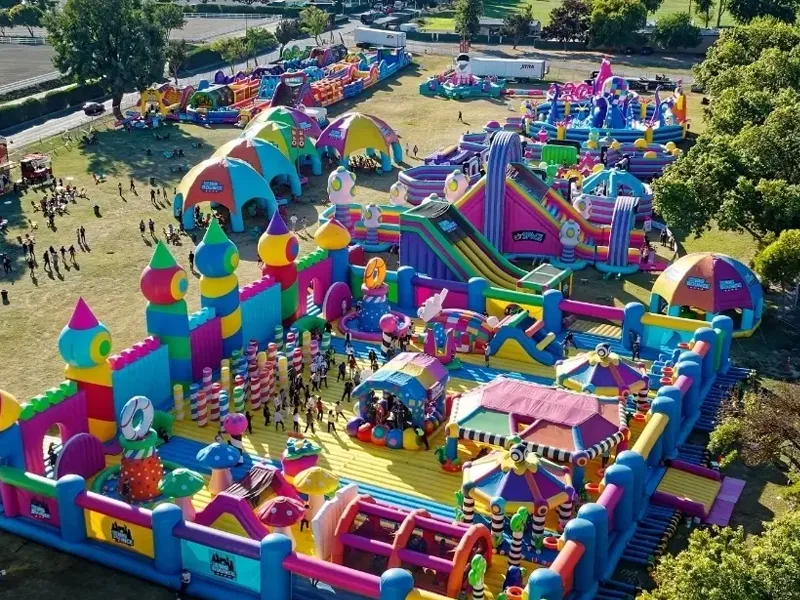
The common image of an inflatable attraction is often a colorful structure at a children's party. That image does not cover the entire category, however. Inflatable sports games can involve running, movement, coordination, and competition, which are activities that can also be organized for adults. The important question is not simply whether an inflatable product is designed for children, but what type of activity it provides and who the activity is intended for.

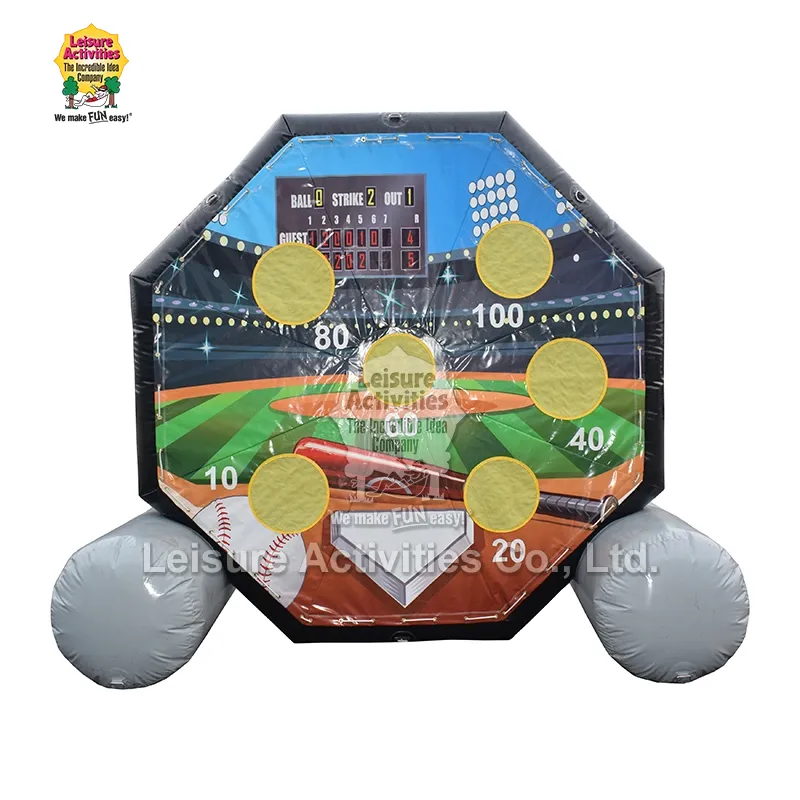
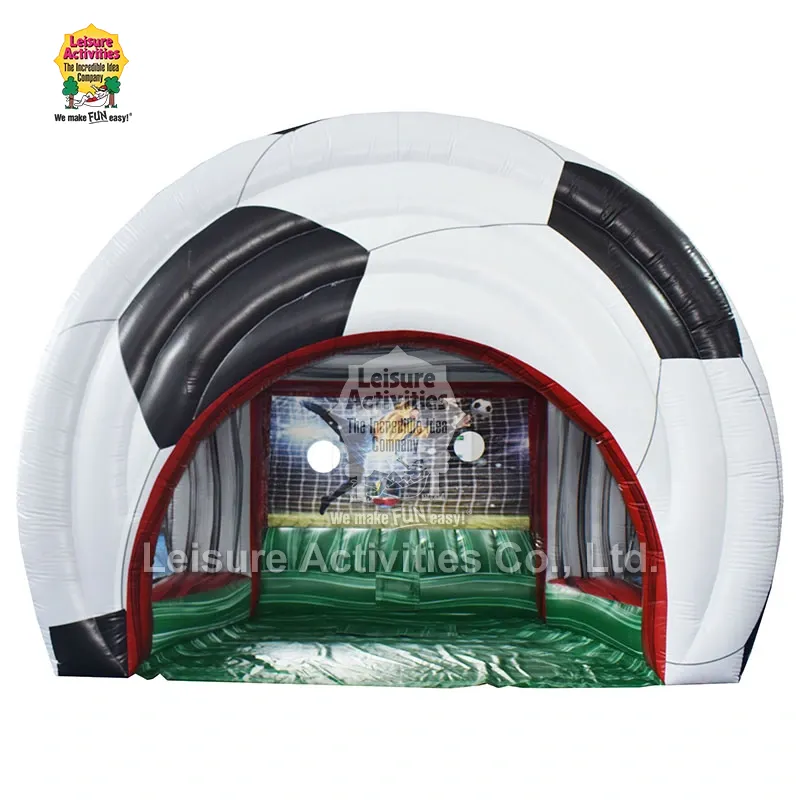
Inflatable Sports Games

Why Adult Participation Changes the Picture

An inflatable structure does not determine its audience by appearance alone. A sports-oriented design can create a different type of activity from a conventional bouncing attraction.

For children, inflatable activities are often associated with play and physical movement. Adults can approach the same type of activity from a recreational or competitive perspective. A group of adults may participate because they are playing against friends, taking part in a team activity, or simply looking for something different from watching an event.

This distinction is particularly noticeable when an event includes several age groups. Families, community gatherings, school-related activities, and recreational programs may contain both children and adults. An activity that permits participation by more than one age group can therefore function differently from an attraction intended exclusively for young children.

Competition Is Not Age-Specific

Competition is one of the elements that can make sports-oriented inflatable activities different from ordinary play equipment.

A participant may want to complete an activity faster, reach a target, overcome an obstacle, or compete against another person. None of these actions is inherently limited to children. The level of physical difficulty, structure of the game, and operating rules determine whether a particular activity is appropriate for a given group.

This is also why inflatable sports games should not be treated as one uniform product category. Different designs can involve different forms of movement and different participation requirements.

What Defines an Inflatable Sports Activity?

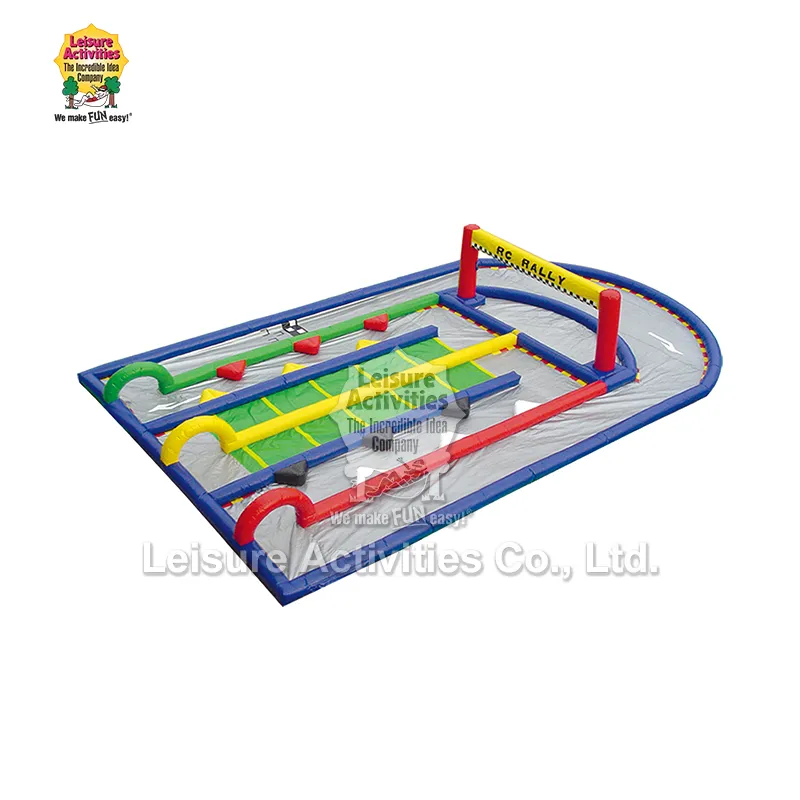
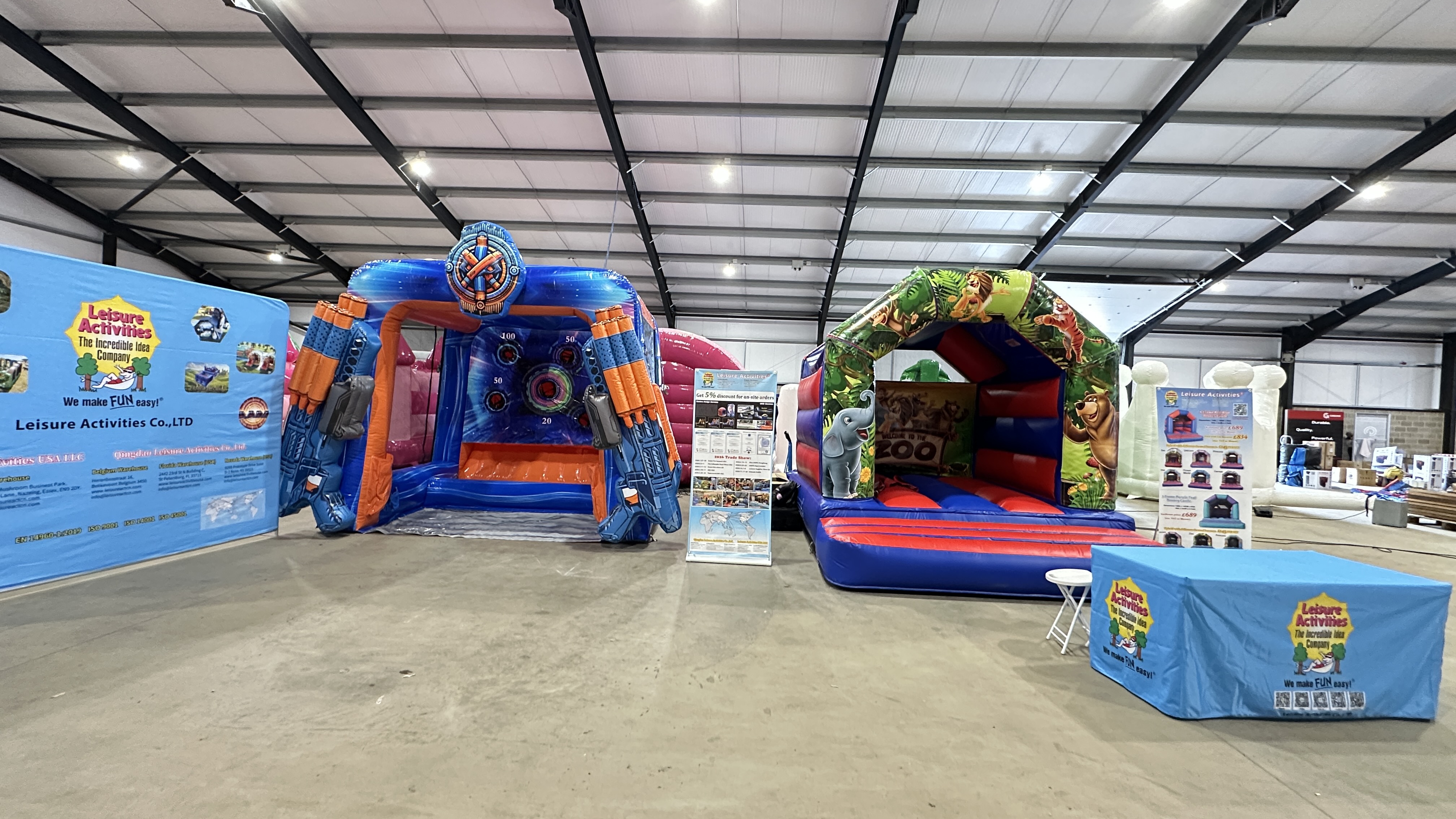
The term can cover a range of inflatable structures rather than one specific design. The common feature is the combination of an inflatable structure with an activity or game.

Depending on the design, an inflatable sports activity may include areas for movement, competition, obstacles, or other forms of physical interaction. The structure itself becomes part of the game rather than simply providing a surface for bouncing.

This creates several practical differences:

Aspect Traditional Inflatable Attraction Sports-Oriented Inflatable Activity
Main activity General play and bouncing Movement and game participation
Interaction Individual or open play Often structured around an activity
Competition Not necessarily required Can be part of the activity
Participants Often associated with children Can include different age groups depending on design
Event format Casual recreation Can be organized as individual or group activities

The table does not mean that one type is exclusively for a particular age group. Instead, it shows how the activity itself can influence participation.

Manufacturing History Behind the Equipment

The development of inflatable products is also connected to changes in production. Leisure Activities® began in the United States in 1993. Ten years later, in 2003, the company moved its manufacturing operations to China.

In 2006, the company purchased the Canadian brand Leisure Activities LTD. In 2010, it adopted the name Leisure Activities®. These changes form part of the company's stated history in the inflatable industry.

Its current facility covers 70 acres and includes 12,000㎡ of standardized industrial workshops. The production system includes welding machines, automated cutting machines, professional printing machines, and more than 100 heavy-duty sewing machines.

The company states that more than 170 employees work at the facility and that production reaches approximately 1,000 inflatable products per month.

Why Construction Processes Matter

Inflatable products combine several manufacturing processes. Cutting determines the shape of individual material sections. Sewing joins components where sewn construction is used, while welding is used for specific inflatable components. Printing adds graphics and other visual elements to the finished structure.

For sports-oriented products, these processes are part of producing the complete structure used for physical activity. The appearance of an inflatable attraction may receive most of the attention when it is displayed at an event, but the finished product also depends on how its individual components are cut, joined, printed, and assembled.

The use of automated cutting equipment alongside professional printing machines, welding equipment, and heavy-duty sewing machines reflects the number of production stages involved in making inflatable products at scale.

Adults and Children Can Have Different Reasons for Participating

It is easy to associate inflatable activities with children's entertainment because that is one of their most visible uses. Adult participation introduces another perspective.

Children may approach an Inflatable Sports Games because it looks fun or unfamiliar. Adults may be more interested when there is a clear objective, a competitive element, or an opportunity to participate with other people.

The same structure can therefore create different experiences for different participants.

For event planning, this distinction can be useful. An activity intended for a mixed-age audience needs to be considered in relation to participant size, activity rules, available space, and the intended method of operation. An inflatable product should not automatically be considered suitable for every age group simply because adults can participate in some inflatable activities.

From Bouncy Castles to More Varied Activities

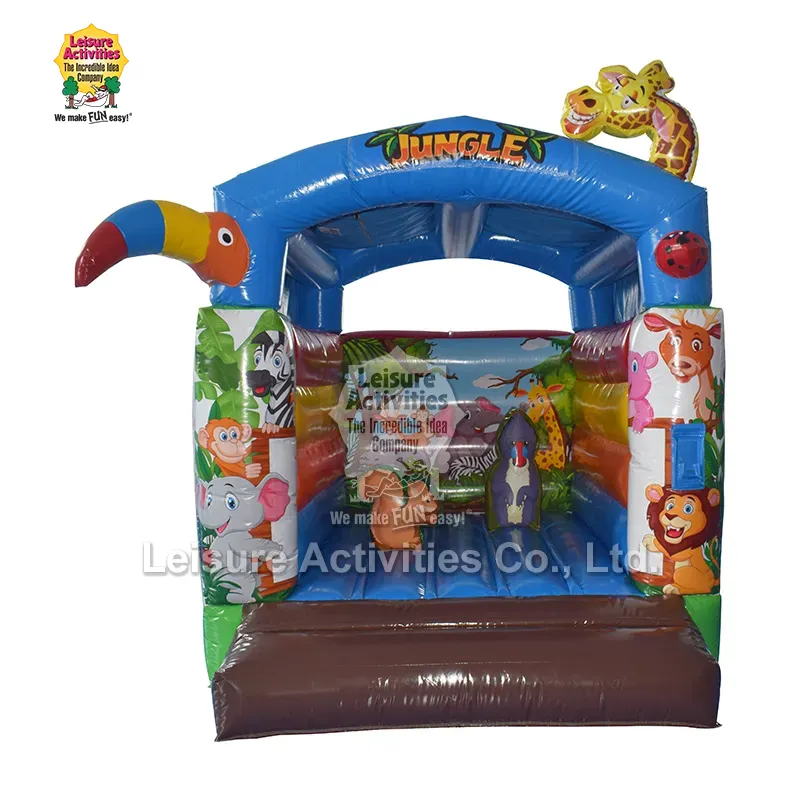
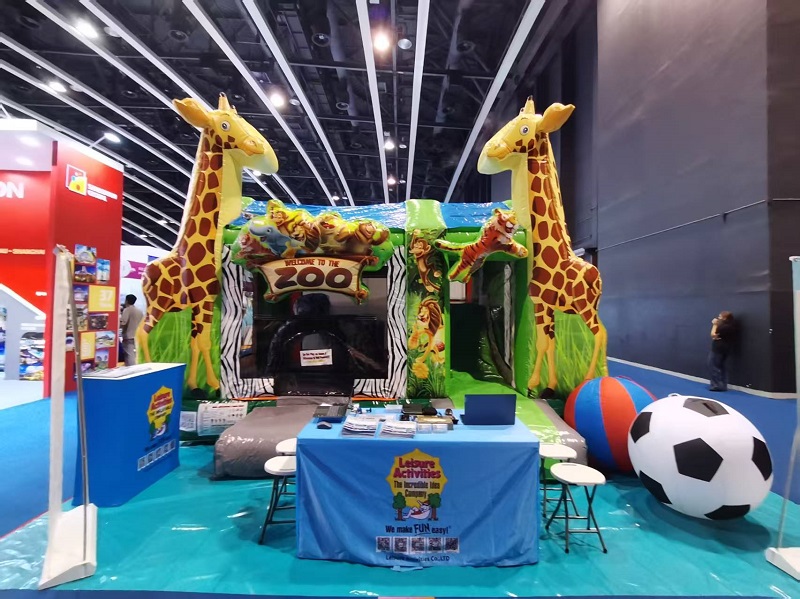
The inflatable industry has long included bouncy castles, but the broader category now encompasses many types of structures. Leisure Activities® describes its work as covering inflatable products and has maintained its focus on the industry since its establishment in 1993.

Its production operation now includes a large industrial site, standardized workshops, automated equipment, professional printing machinery, and more than 100 heavy-duty sewing machines. The stated production volume of approximately 1,000 inflatable products per month indicates that inflatable production involves a range of product types rather than a single form of attraction.

This wider product category helps explain why the image of an inflatable attraction as children's entertainment can be incomplete. Once an inflatable structure is combined with a sports activity or competitive format, its potential participants can change according to the design.

What to Consider When Looking at Adult Use

Age alone is not enough to determine whether an inflatable activity is appropriate for adults. Several basic factors need to be considered together.

Activity type: A sports game and a simple bouncing attraction have different participation patterns.

Physical requirements: The movement required by the activity affects who can participate.

Space: The available area influences how the structure can be installed and operated.

Rules: Competitive activities need clear participation and operating rules.

Product design: Different inflatable structures are intended for different forms of use.

These points also prevent an overly broad assumption in the opposite direction. Not every inflatable sports activity is automatically suitable for adults, and not every inflatable attraction is designed for competitive play.

The Industry View

Inflatable entertainment is often discussed through its connection with children's parties, but the equipment itself can support a wider range of recreational activities. Adults can participate when the design and operating conditions are appropriate, particularly when an inflatable structure incorporates competition or physical activity.

Leisure Activities®' history provides a production-side view of this category, beginning with its establishment in Orlando in 1993 and continuing through its move of manufacturing operations to China, subsequent acquisition of Leisure Activities LTD, and development of its current production facility.

The discussion around Inflatable Sports Games therefore does not need to focus exclusively on age. The more relevant distinction is the activity built into the inflatable structure. When the format involves competition, movement, or group participation, adults can be part of the intended audience just as children can.

The assumption that inflatable entertainment automatically means children's play is consequently too broad. Adult participation depends on the specific activity, its design, and the conditions under which it is used.

Related News
Leave me a message
X
We use cookies to offer you a better browsing experience, analyze site traffic and personalize content. By using this site, you agree to our use of cookies.Privacy Policy