News

Is an Inflatable Multiplay Bouncy Castles Small Worth the Investment—or Will Kids Get Bored of It After Just a Few Uses?

2026-09-07 0 Leave me a message

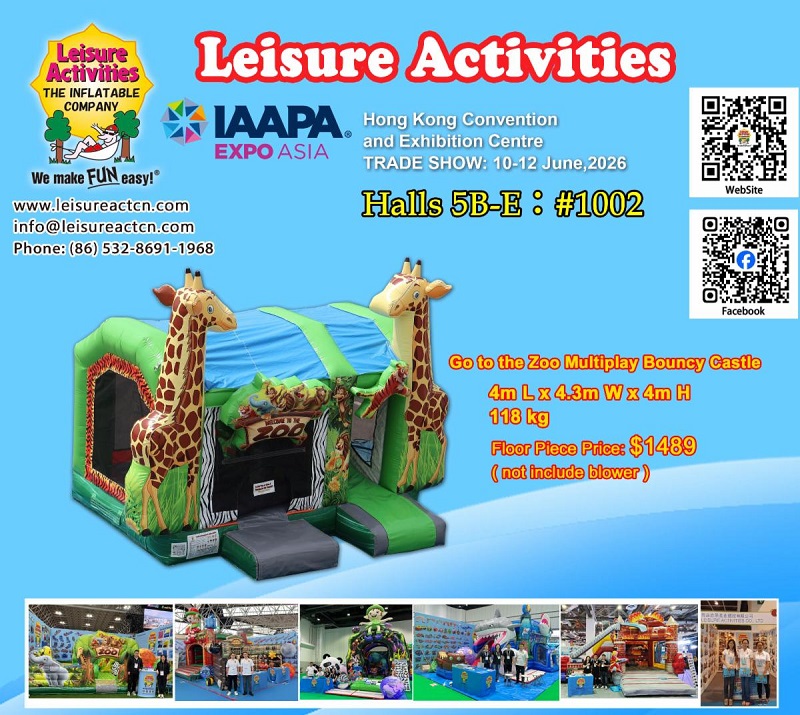
Leisure Activities® explores whether Inflatable Multiplay Bouncy Castles Small can keep play areas active without taking over valuable space.

A compact inflatable play unit can look simple at first glance: a jumping area, a few obstacles, perhaps a small slide, and enough room for children to move around. The real question is what happens after the novelty wears off. If the same play pattern is repeated every time, children may lose interest quickly. If the structure encourages several kinds of movement and can fit naturally into different recreational settings, its useful life may be much longer.

That makes size only one part of the decision. For operators planning an indoor play zone, family entertainment area, community activity space, school event or temporary recreation program, the more important question is whether a smaller footprint can still deliver enough variety.

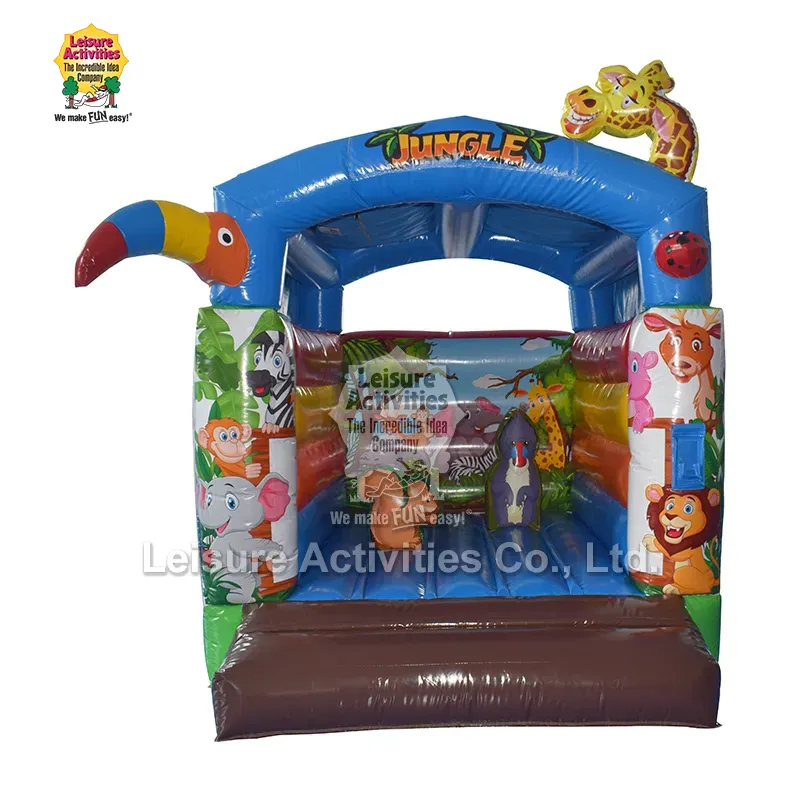
Inflatable Multiplay Bouncy Castles Small

Why Smaller Does Not Necessarily Mean Less Fun

Large inflatables naturally attract attention, but bigger is not always better for every site.

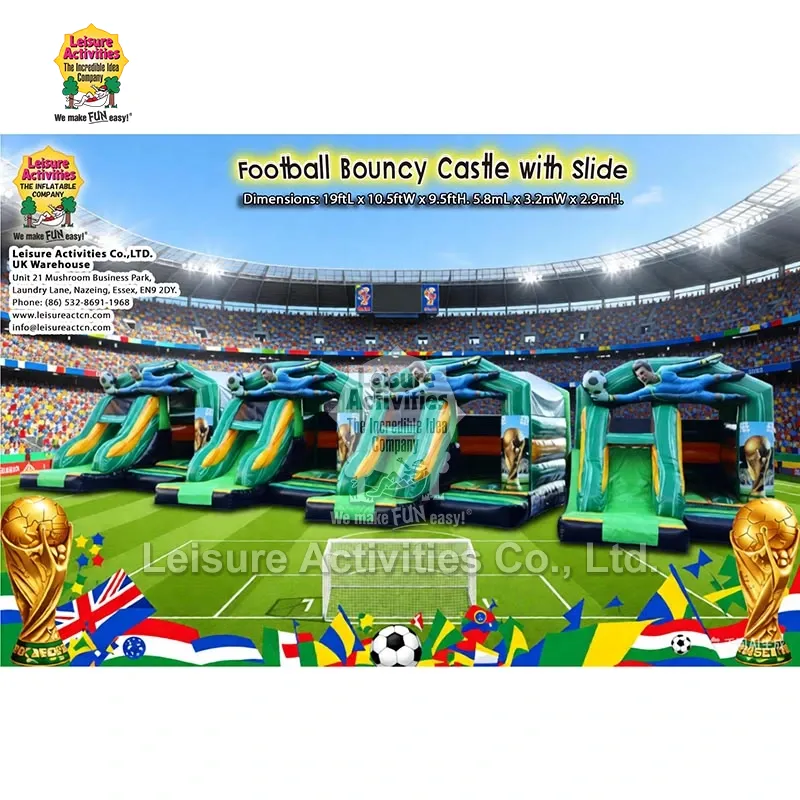
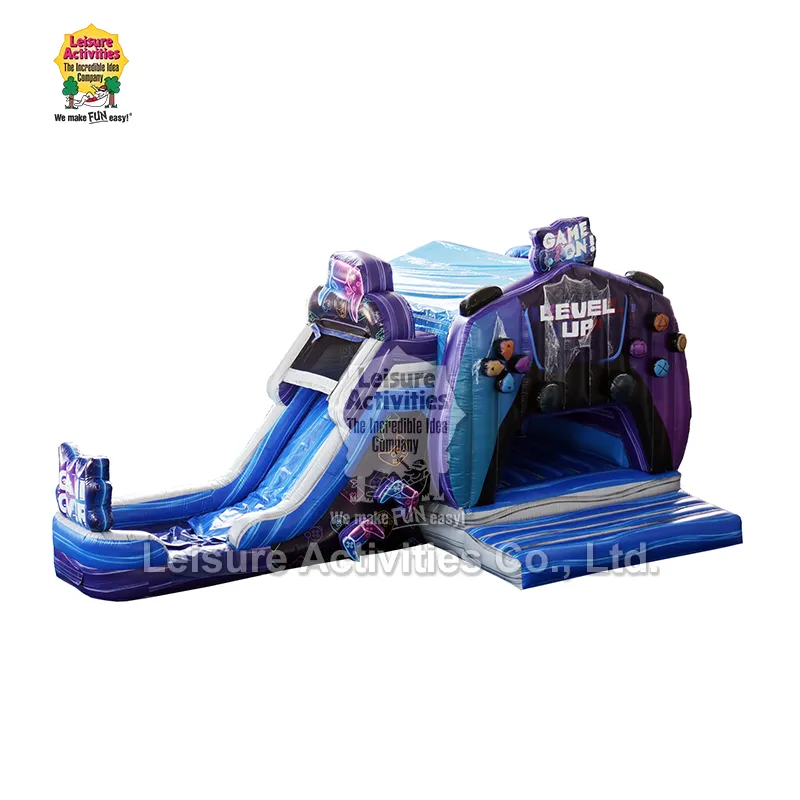
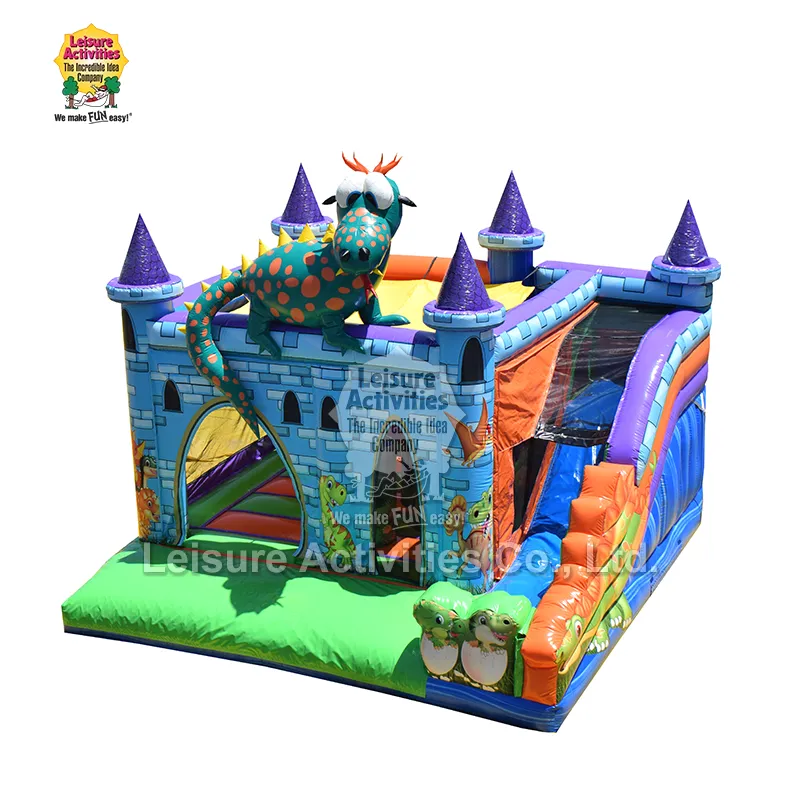
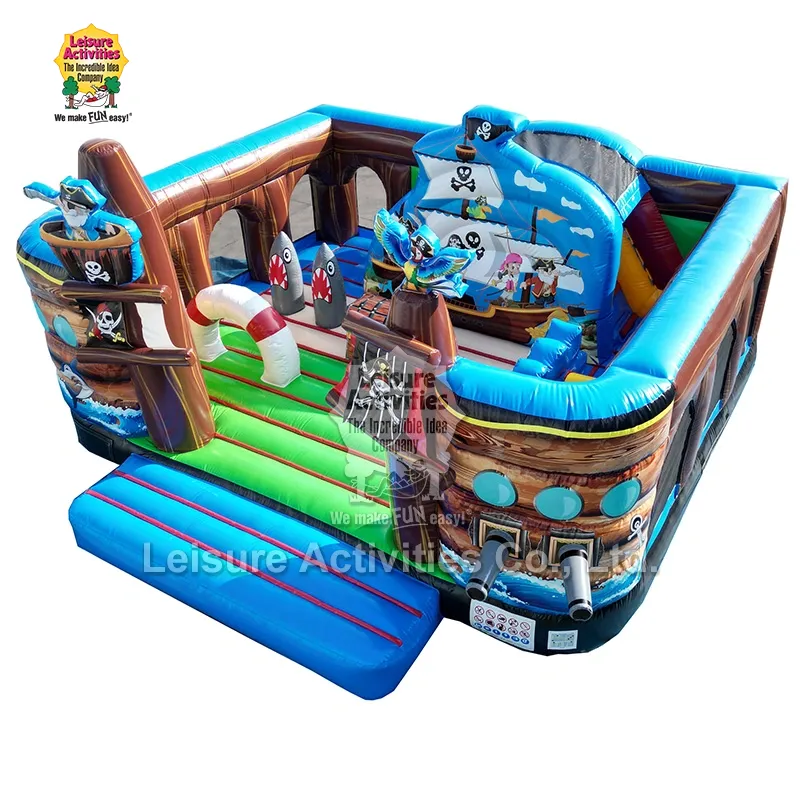
A compact multiplay structure can combine jumping, climbing, crawling, sliding and simple obstacle elements within one connected layout. Children do not necessarily judge the experience by the physical size of the inflatable. They respond more strongly to how many things they can actually do on it.

This distinction matters when floor space is limited.

A very large unit may provide impressive dimensions but leave less room for circulation, waiting areas, supervision or other activities. A smaller multiplay design can sometimes create a more balanced recreational layout.

The key is play density—how much meaningful activity can take place within the available footprint.

A Simple Size-versus-Activity Comparison

Factor Smaller Multiplay Unit Larger Single-Activity Unit
Space requirement Lower Higher
Activity variety Usually multi-functional Often focused on one activity
Layout flexibility Easier to reposition or integrate Requires more planning
Supervision Potentially easier in compact areas May require wider sightlines
Repeat-play potential Depends on activity combination Depends heavily on the main feature
Suitable environments Indoor, outdoor and event spaces Larger dedicated recreation areas

The table also highlights an important point: compactness alone does not create value. A small inflatable with limited activity options can become repetitive just as quickly as a large one.

What Actually Prevents Children From Getting Bored?

Novelty is powerful, but it has a short lifespan.

A child may be excited by a new slide during the first visit. After several rounds, however, the slide itself is no longer new. This is where a multiplay layout has an advantage. Instead of offering only one destination, it creates a sequence of activities.

One child may focus on jumping while another prefers crawling through an obstacle section. Someone else may head directly toward the slide. Even when the physical structure stays unchanged, children can choose different routes and activities.

That variation can make a relatively small structure feel more engaging than its dimensions suggest.

The Importance of Multiple Play Modes

A useful compact inflatable typically benefits from combining several basic movement patterns:

  • Jumping for active, unrestricted movement
  • Climbing for physical challenge
  • Sliding for a clear start-and-finish activity
  • Crawling for younger children or lower-height movement
  • Obstacles for short sequences and repeated attempts
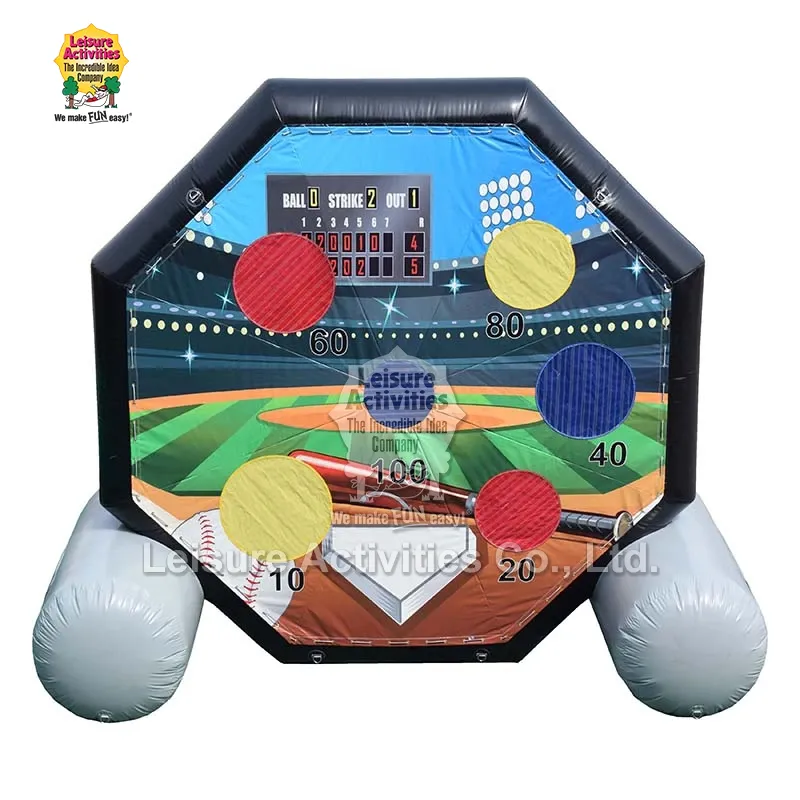
  • Interactive elements that introduce simple games or challenges
  • The point is not to put every possible feature into one structure. Too many elements can make a small unit crowded. Good design is about finding a practical balance between variety, circulation and usable space.

    Does Repetition Really Matter?

    It does—but repetition is not automatically a problem.

    Children often repeat an activity because they are trying to improve. A slide can be used repeatedly because the experience is fast and predictable. An obstacle course can become more interesting when children attempt to complete it faster or find a different route.

    This means an inflatable does not necessarily need constantly changing features to remain relevant.

    Instead, it needs enough flexibility for repeated use.

    For those assessing an Inflatable Multiplay Bouncy Castles Small, several questions can help reveal whether the structure has genuine repeat-play potential:

    1. Can Children Choose Different Routes?

    A fixed route gives children the same experience every time. Multiple access points, obstacles or activity zones can introduce more variation.

    2. Can Different Age Groups Use It Appropriately?

    A structure designed around only one narrow age range may have limited long-term usefulness. Age-appropriate climbing heights, jumping areas and activity sections can make the space more adaptable.

    3. Is There Enough Open Movement Space?

    More features do not always mean more fun. If every section is tightly packed, children may have difficulty moving naturally. A well-planned compact layout should leave enough room for safe movement and supervision.

    4. Can the Structure Support Different Activities?

    The ability to use the same inflatable for free play, simple games, races or group activities can extend its practical role beyond casual jumping.

    Construction Quality Becomes More Important With Repeated Use

    Play variety may influence interest, but physical construction determines whether an inflatable can continue supporting that play.

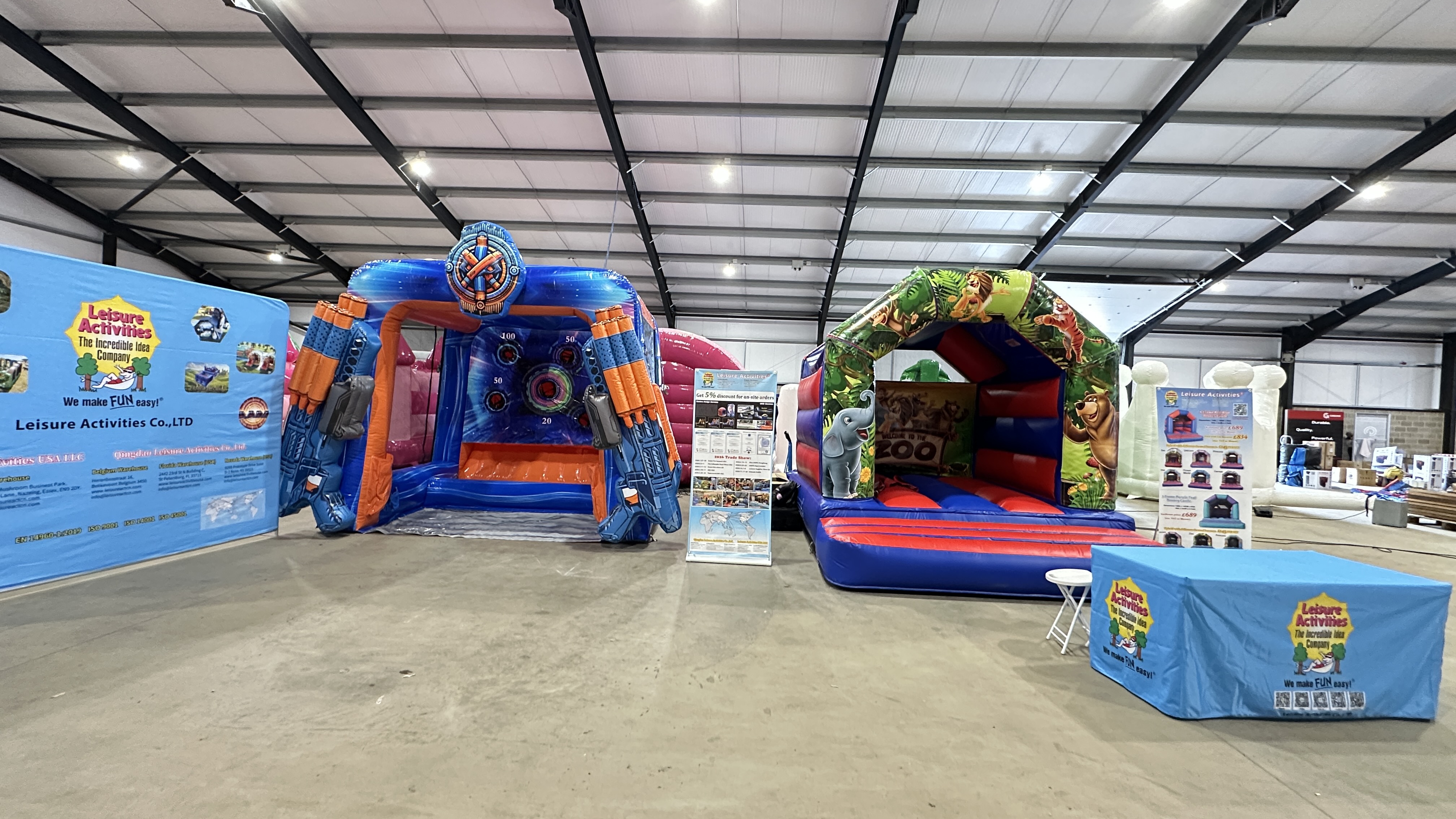
    Leisure Activities® has been involved in the inflatable industry since 1993, with production operations established in China in 2003. Its current facility covers approximately 70 acres, including 12,000 square meters of standardized industrial workshops, with automated cutting equipment, welding machines, printing equipment and more than 100 heavy-duty sewing machines.

    These production details matter because an inflatable is not simply a printed surface filled with air. Its performance depends on the relationship between fabric, seams, stress points, air retention and repeated movement.

    Why Seam Design Matters

    Different areas of an inflatable experience different forces. Entrances, exits, slide connections and internal walls can experience repeated impact and tension.

    Leisure Activities® uses several seam construction methods depending on the application. Its W-PAT seams are designed for water resistance and airtight performance, while heavy-duty seams with glue strips are used in areas where additional reinforcement is required.

    The company's Gator Mouth™ seam design moves the seam away from the normal impact point, helping reduce direct stress at areas such as slide entrances and exits.

    For everyday users, these details may be invisible. For those responsible for maintaining a recreational space, however, they can influence how the structure behaves after months or years of repeated setup and use.

    Materials Are Part of the Long-Term Equation

    Material selection also affects how an inflatable performs over time.

    Leisure Activities® states that its inflatable products use vinyl designed for strength and flexibility, with materials meeting or exceeding applicable FR requirements, including NFPA 701 standards. The company also reports controls for eight restricted phthalates, with each substance maintained below 0.1% in homogeneous materials according to its stated testing requirements.

    These specifications do not make an inflatable automatically suitable for every environment. Installation conditions, operating practices, cleaning, storage, weather exposure and inspection schedules all remain important.

    Still, material compliance and construction methods provide useful indicators when comparing different designs.

    Small Footprint, Larger Planning Questions

    The phrase "small" can sometimes create the wrong impression.

    An Inflatable Multiplay Bouncy Castles Small is not simply a reduced version of a larger castle. In a well-planned recreational environment, its compact size can become part of the design strategy.

    For example, a smaller inflatable may work alongside seating, tables, party areas, other play equipment or circulation zones. In an indoor venue, every square meter has to perform a practical function. Outdoors, the same consideration applies when several activities need to coexist.

    The real measurement is therefore not just the dimensions of the inflatable, but how effectively the available space is used.

    What Should Be Considered Before Choosing One?

    A straightforward evaluation can prevent the common mistake of choosing an inflatable based only on appearance.

    Evaluation Point Why It Matters
    Overall footprint Determines how easily it fits into the available area
    Number of activities Influences variety and repeat-play potential
    Age suitability Helps define who can use the structure appropriately
    Entry and exit layout Affects movement and supervision
    Seam construction Relevant to repeated stress and durability
    Material specifications Supports safety and compliance assessment
    Cleaning and storage Influences practical operating requirements
    Blower and accessories Determines setup and daily handling needs
    Custom design options Can help adapt the layout to a particular space

    This approach shifts the discussion away from the simple question of "Is smaller cheaper?" and toward a more useful question: Does the structure make productive use of the space available?

    So, Will Children Get Bored?

    There is no inflatable that can guarantee unlimited interest.

    Children eventually become familiar with any play environment. The difference is how quickly that happens.

    A single-function inflatable may depend heavily on its initial novelty. A multiplay structure has more opportunities to delay that point by allowing children to move between activities, create simple games and repeat challenges in different ways.

    For compact recreational spaces, this can be particularly useful. The goal is not to make the largest possible structure. It is to create enough activity within a manageable footprint without turning the play area into a crowded maze.

    That is why the value of an inflatable should be judged by more than its size or first impression. Layout, activity variety, construction, material quality, maintenance requirements and the intended environment all contribute to its useful life.

    The Bottom Line

    A smaller inflatable can be a practical long-term recreation solution when its compact footprint is matched by meaningful activity variety and sound construction. The risk of children losing interest is real, but it is more closely connected to repetitive play than to physical size alone.

    For facilities where space matters, the better question is not whether bigger means better, but whether every part of the available area contributes to the play experience. With its long-standing inflatable industry experience and focus on construction details, Leisure Activities® continues to develop products such as Inflatable Multiplay Bouncy Castles Small around the practical balance between space, activity and repeated use.

    Related News
    Leave me a message
    X
    We use cookies to offer you a better browsing experience, analyze site traffic and personalize content. By using this site, you agree to our use of cookies.Privacy Policy
    RejectAccept